


In the past, people who have celiac disease or gluten sensitivity have often felt restricted when it comes to travel because of the extra worry of trying to find restaurants that offer gluten-free menus. People with gluten intolerance often had to carry their own food when they traveled. Traveling and enjoying regional restaurants is becoming much easier for people with restricted diets. With careful research, planning, and a greater understanding of cultural differences–even if you are on a gluten-free diet–you do not have to miss out on the great food that often comes with the whole experience of traveling.
In particular, the language barrier and cultural differences should be considered when traveling to foreign countries. If you are on a gluten-free diet, it is important to research the local cuisine of the areas you will be visiting and learn the names of some safe foods. Local celiac associations in some regions also offer a list of restaurants willing to accommodate you. Planning where you will be eating ahead of time will help minimize the stress.
You should also know which foods to avoid. When eating in a restaurant in a foreign country, there is always that fear of not knowing what ingredients are in the food and being unable to express what you need adequately. Of course, it is impossible to know all the ingredients that go into the many different foods, but it is important to learn the names of the ingredients that need to be avoided.
Knowing what questions to ask about the food in advance will help you control what you eat. Remember, you can make your food preferences known without being impolite. Although you might make things a little more complicated for the kitchen staff, they are often happy to accommodate you. You should find another restaurant if you sense they are uncomfortable with your questions.
Finally, make sure you have a plan in case you eat something you shouldn’t. Although many people won’t suffer life-threatening consequences when deviating slightly from a gluten-free diet, there are others who are highly allergic. If you are one of those people, ensure you have an emergency medical plan.
Planning your trip and communicating with others about your diet needs is key to enjoying a gluten-free vacation. As people become familiar with celiac disease and gluten sensitivity, more gluten-free menus will pop up in restaurants in the United States and worldwide.
If you are wondering which cruise line accommodates Gluten-free eating, the short answer is that they all do on some level, read Gluten Free Cruising Options, but other cruise lines go above and beyond. We read of an instance where a traveler sailed with Celebrity Cruises. In the main dining room, they would allow her to look at the menu for the next night, let her pick what she wanted to eat, and then prepare it gluten-free for the next night so she could eat what everyone else was eating. They even prepared a gluten-free soup for her, which is difficult to find, and of course, they baked gluten-free bread for her as well. Royal Caribbean Cruises, Disney Cruise Line, and Princess Cruises also do a great job of accommodating clients. If you work with your travel agent, they will make sure and advise the ship in advance to ensure they are aware of your dietary restrictions, not to mention if you are flying, your travel agent will make sure the airline also prepares gluten-free meals.
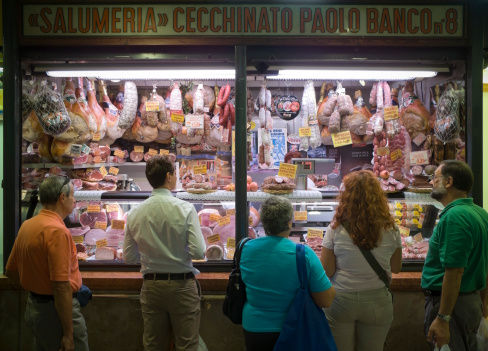
Europe escorted tours are more challenging. The tour guides will do their best to assist you, but you should research upfront. Italy tours are a good choice because I traveled there this past October and found Italy is gluten-friendly. You can find gluten-free rice pasta in many restaurants. Minestrone is usually prepared with just vegetables vs. the way it is made here in the U.S. You could spend all day visiting the local vendors for fresh fruits, vegetables, meats, and cheeses. Another great way to travel Europe is on a river cruise where there are typically less than 200 guests, and the chef can easily accommodate your dietary needs. Europe river cruises are also an exciting way to travel since you only unpack once, and each morning, you are in the heart of some of Europe’s most exciting cities.
Don’t let the worry of Gluten Free stop you from seeing the world.
Related Posts
Gluten-free travel in Europe requires extra preparation and knowledge of local customs. Our advisors’ Common Mistakes to Avoid When Traveling to Europe guide includes dietary and cultural considerations for every traveler.
Italy’s extraordinary travel experiences reward every type of visitor. Our advisors’ Best Food Cities in Italy guide is your gateway to planning an unforgettable Italian journey.