
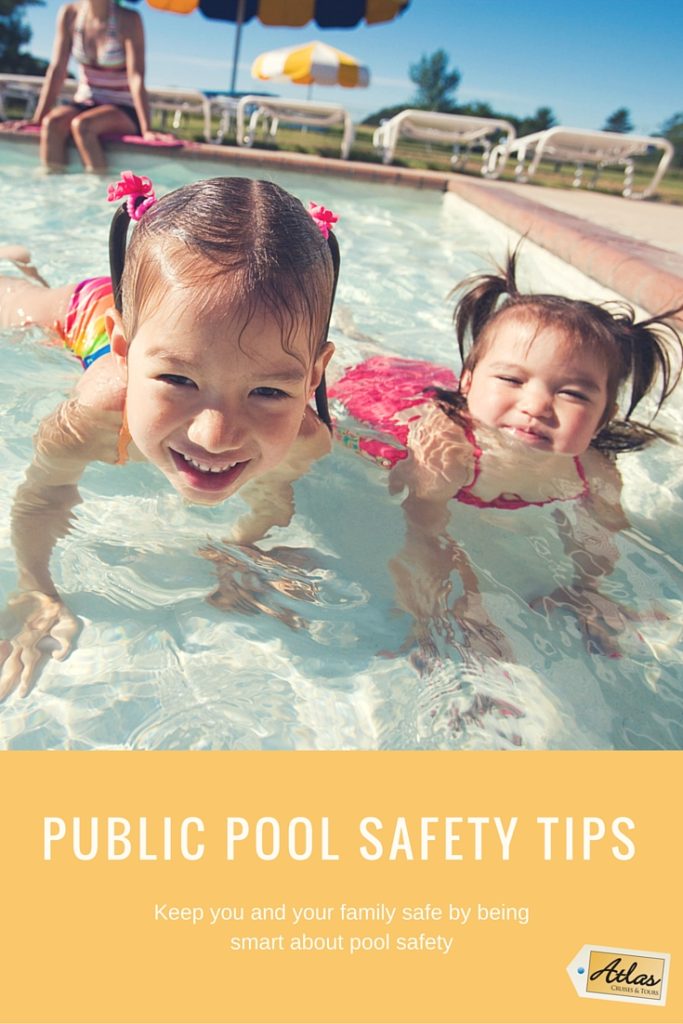
A recent report was released by the Centers for Disease Control and Prevention and their findings were disturbing. Around 80% of public pools do not pass routine health inspections. Five states were inspected, including the state of Florida. For those that will be traveling this summer, they will probably find themselves at a pool, whether it be at their hotel, on a cruise ship or at the destination where they are visiting. You can keep you and your family safe by being smart about pool safety.
The Biggest Offenders
Kiddie pools seem to be the ones with the biggest problems. They are often shut down, at least temporarily, due to not being safe to swim in. If you can, avoid kiddie pools at all costs. If you do happen to find yourself going to one, make sure there is a policy that all children that aren’t potty trained wear swim diapers and find out how that rule is actually enforced. If someone isn’t actually making sure that it is, it’s best to skip that pool.
How Unsafe Conditions Causes Issues
Pools that are not adequately kept clean and safe can cause illnesses due to viruses and bacteria that is found in the water. This can range from everything from eye irritation, skin irritation and stomach problems. Swimming in an unsanitary pool for a just few minutes can cause a miserable experience later.
Pool Chemicals
It’s not just enough to use chlorine and chemicals in a pool, they have to be maintained properly. Too little of these items can let bacteria grow at an alarming rate. Too much of them can cause skin, ear and eye irritation. Overall these chemicals need to be maintained at least on a weekly, if not daily basis.
What To Look For At A Public Pool
It’s virtually impossible to know for sure how much the public pool you are swimming at is being maintained. However, there are some things you can look for:
Clarity Of The Water- The water should be clear and not murky. It shouldn’t have a green tint to it.
The Smell- The water shouldn’t smell like anything, even chemicals. Most people think that if they are smelling chlorine then the pool is clean. However, when you can smell chlorine it means there’s actually not enough of it and what’s in the pool is being overpowered by the bacteria that’s in it.
If you really want to make sure the pool you are swimming at is clean, you can always do it yourself with test strips. For less than $10 you can place one of these strips in the water for about 15 seconds. After you remove it you simply compare the strip to the label that’s on the back of the test strip bottle. It will give you an idea of how clean the water actually is and the amount of chemicals in there.
Pool safety is an important consideration at resorts and cruise ships. Our advisors’ Hantavirus and traveler health guide covers the broader picture of health precautions every traveler should know.