
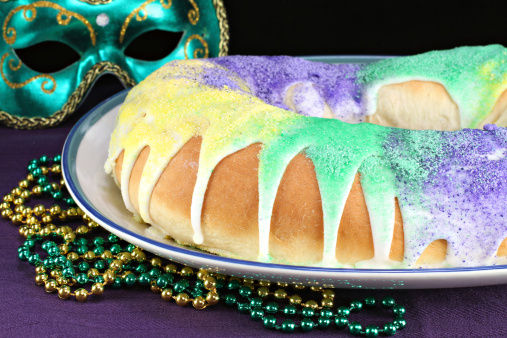
Mardi Gras is a celebration that takes place in New Orleans every year. Just like with Christmas, it is a legal holiday in Louisiana. This year, it is being held on February 13, 2018. The total revenue brought in from this single event is just below 1 billion dollars. Mardi Gras’ roots date back to just over 200 years ago.
History
New Orleans was always known for its lavish celebrations on the Tuesday before Ash Wednesday, called Fat Tuesday. Because Ash Wednesday marks the beginning of Lent which is a 40-day period of time that Christians give up certain things in preparation for Easter, many individuals would have a big blow out celebration the day before they were to start the observance of Lent. Until 1803, these festivals were banned by those that were Spanish governors of the area. It wasn’t until 1803, when Louisiana officially became part of the United States, that the ban of these celebrations was lifted. Because Mardi Gras was so popular, a very wealthy plantation owner raised money to contribute towards it. The first official Mardi Gras celebration took place on February 27, 1827. In the 1850s, the festivities became violent. This led to some high profile families organizing a Mardi Gras event that was peaceful and well-organized.
Mardi Gras Colors
The traditional colors used during Mardi Gras are gold, green, and purple. The color gold represents power, green represents faith, and purple represents justice. The King of Carnival, named Rex, selected these colors to represent Mardi Gras in 1892. These colors are most often seen in the many beads that float riders toss to bystanders along the parade route.
Masks
Originally, masks were worn during Mardi Gras because they allowed those who wore them to hide their identities from others and made them feel as if they did not have to worry about what was thought of them or their place in society. The implication was that, regardless of social or economic class, everyone was the same behind one of these masks. The individual wearing the mask felt as if they were free to do whatever they wanted no matter how questionable it was. Today, masks are just seen as a way to have fun. One of the more interesting facts about masks is that, by law, those that are riding on a float have to wear one.
King Cake
Similar to coffee cake, this ring-shaped confection is as rich in tradition and history as it is in color and taste. This cake is baked in honor of the 3 kings, the gift-bearing magi that visited the baby Jesus. The tradition started in New Orleans in the late 1800s. The cakes are round to symbolize the uniting of faiths and are decorated in the traditional Mardi Gras colors of purple, green, and gold. A small plastic baby is usually baked into the cake and it is believed whoever gets the slice with the baby will have good luck. There is a catch, though, by finding the baby, you also are supposed to be the person to bring the King Cake the following year.
Throws
Many parade floats throw items out to the crowds. You will certainly see beans being thrown, as well as doubloons, cups, hats, handmade items, and more. Yes, there may also be the occasional woman that will lift her shirt in order to make sure they get noticed during the throws.
Even if you can’t get down to Louisiana to celebrate Mardi Gras, you still have time to make a mask or buy some beads to wear around your hometown. It might not be a legal holiday for most people, but it is still celebrated in some way or another in many cities throughout the U.S. If you’ve always wanted to go to Mardi Gras, why don’t you plan a trip for next year? Prices start around $799 pp for a 3-night package. We can get you some great deals to Mardi Gras and help you figure out some other things to do in New Orleans while you are there.