
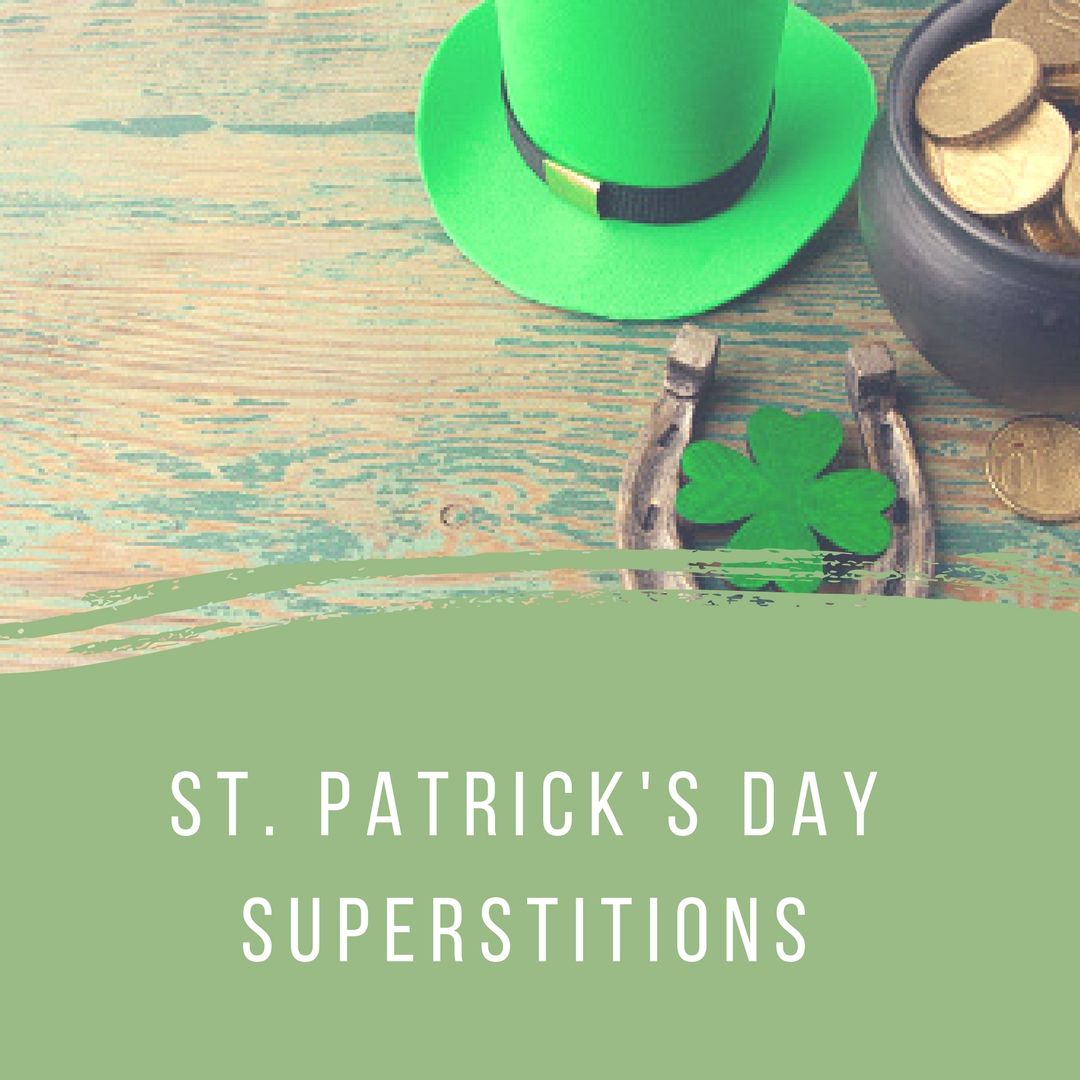
St. Patrick’s Day — celebrated every March 17th — has grown from a quiet religious feast day in Ireland into one of the world’s most universally beloved celebrations. Millions of people across the United States, Ireland, Canada, Australia, and beyond wear green, raise a pint of Guinness, and look for a little luck of the Irish. But behind the parades and the green beer lies a rich history of folklore, superstition, and genuine Irish tradition that stretches back over 1,500 years.
Whether you’re celebrating at home, planning to attend one of the world’s great parades, or dreaming of spending March 17th in Ireland itself — this is your complete guide to St. Patrick’s Day superstitions, traditions, history, and the best destinations to experience it all firsthand.
Who Was St. Patrick?
St. Patrick was born in Roman Britain around 385 AD — not in Ireland. At sixteen, Irish raiders kidnapped him and brought him to Ireland as a slave, where he spent six years herding sheep on the windswept slopes of what is now County Mayo. During that time he found deep Christian faith, and when he escaped back to Britain, he dedicated his life to returning to Ireland as a missionary.
Remarkably, he returned to Ireland around 432 AD and spent the next 28 years converting the Irish people to Christianity, founding churches and monasteries across the island. He died on March 17th, 461 AD — the date that became his feast day and, eventually, the world’s most celebrated day of Irish culture.
Why the Shamrock?
Consequently, the shamrock — the three-leaf clover — is Ireland’s most enduring symbol, and St. Patrick himself is credited with giving it meaning. According to tradition, he used the shamrock to explain the concept of the Holy Trinity (Father, Son, and Holy Spirit) to the pagan Irish, demonstrating how three things could exist as one. The shamrock became inseparable from his story, and by extension, from Irish identity itself.
A true four-leaf clover is something different entirely — a rare genetic variation found in roughly one in ten thousand clovers. Each extra leaf carries its own blessing: faith, hope, love, and luck. People consider finding one a powerful sign of exceptional fortune, and many press and preserve them as talismans.
From Blue to Green: The Colors of St. Patrick’s Day
Notably, here’s a fact that surprises almost everyone: St. Patrick’s original color was blue, not green. “St. Patrick’s Blue” appeared on ancient Irish flags, where people associated it with the saint for centuries. Green came to dominate through a combination of the Emerald Isle’s reputation, the wearing of shamrocks, and the symbolism adopted by Irish nationalists in the 18th and 19th centuries — particularly the Society of United Irishmen, who adopted green as their color of rebellion against British rule. Today, Ireland so thoroughly owns the color green that almost no one remembers the shift.
Leprechauns, Pinching, and Irish Folklore
Similarly, the leprechaun is one of the oldest figures in Irish folklore — a small, mischievous fairy shoemaker who hides his pot of gold at the end of a rainbow. If you catch a leprechaun, legend says he must grant you three wishes in exchange for his freedom, but he’ll do his best to trick you out of them the moment you look away.
The tradition of pinching people who aren’t wearing green on St. Patrick’s Day comes from American folklore tied to leprechaun mythology: wearing green makes you invisible to leprechauns. If you forget to wear it, you can be seen — and pinched — both by leprechauns and by anyone else who notices your oversight.
St. Patrick’s Day Superstitions: How to Have the Luck of the Irish
St. Patrick’s Day carries a rich set of superstitions meant to attract good fortune and ward off bad luck. Some are ancient Irish traditions; others have evolved through generations of Irish-American celebration. Here are the ones most worth knowing. If you enjoy exploring cultural good-luck traditions, be sure to read our guide to Good Luck Charms from Around the World.
Wear Green
Above all, the most fundamental rule of the day: Wearing green honors Ireland’s identity and, according to the leprechaun legend, keeps you invisible to mischievous fairy folk. Even if you’re not Irish, wearing green on March 17th signals goodwill toward one of the world’s great cultures — and avoids a pinch.
Carry a Cinnamon Stick
Furthermore, less well-known in America but recognized in Irish tradition: tucking a cinnamon stick in your pocket on St. Patrick’s Day is believed to attract prosperity and good luck throughout the year. Folk magic traditions across many cultures long connected cinnamon with warmth, wealth, and protection across Europe and the Middle East. In Ireland, people consider it especially powerful on March 17th.
Find (or Give) a Four-Leaf Clover
The classic St. Patrick’s Day lucky charm. Finding one naturally is a sign the day will go your way. Giving one to someone you care about transfers the blessing to them — a generous act that, according to the tradition, doubles the luck for both giver and recipient.
Hang or Touch a Horseshoe
Additionally, Celtic and European cultures have treasured iron horseshoes as lucky charms for centuries. On St. Patrick’s Day, touching a horseshoe hung with the ends pointing upward (to “catch” the luck) is said to bring good fortune throughout the year. Hanging a horseshoe pointing downward lets the luck “fall out,” so tradition calls it unlucky.
Burn Sage
Burning sage — a practice with roots in both Celtic and Native American tradition — purifies a space of negative energy and evil spirits, leaving a clean energetic slate for good fortune to enter. Burning sage on the morning of St. Patrick’s Day helps set positive intentions for the celebration ahead.
Say an Irish Blessing
Moreover, Ireland has one of the richest traditions of verbal blessings in the world. Reciting one on St. Patrick’s Day calls down genuine good fortune, or so the tradition holds. The most famous: “May the road rise up to meet you, may the wind always be at your back, may the sun shine warm upon your face, and rains fall soft upon your fields, and until we meet again, may God hold you in the palm of his hand.”
Kiss Someone Irish
As a result, legend holds that the Blarney Stone at Blarney Castle in County Cork, Ireland, grants the gift of eloquence — the “gift of the gab” — to anyone who kisses it. The tradition evolved into the broader idea that kissing someone Irish on March 17th passes along a measure of that famous Irish luck and charm.
Don’t Give Anyone a Knife
Traditional Irish custom treats a knife as a bad gift on St. Patrick’s Day — it symbolizes the severing of a friendship. If someone asks to borrow a knife, the tradition says to set it on a counter rather than place it directly in their hand, preserving the friendship’s bond.
Take Care Not to Drop Anything
Dropping objects on St. Patrick’s Day — especially keys, coins, or personal items — is considered an omen of bad luck for the year ahead. Being deliberate and careful with your hands on March 17th shows respect for the day’s power.
Tie a Wire Around Your Shoes After the Party
One of the more obscure Irish-American superstitions: after returning home from St. Patrick’s Day festivities, tying a length of wire or string around your shoes is said to seal in the good luck you’ve accumulated during the day and carry it forward into the rest of the year. These St. Patrick’s Day superstitions are as alive today as they were generations ago.
Corned Beef and Cabbage: The St. Patrick’s Day Feast
Here’s another surprise: corned beef is not actually a traditional Irish dish. In Ireland, the feast meat was salt-cured pork — Irish bacon. When Irish immigrants arrived in America in massive numbers during and after the Great Famine of the 1840s, pork was expensive. Jewish butchers in New York’s Lower East Side offered a cheaper alternative: salt-cured beef, which the Irish recognized as similar to their home tradition. Corned beef and cabbage became the Irish-American St. Patrick’s Day meal — and today it’s as inseparably associated with the holiday as the shamrock itself.
The word “corn” in corned beef has nothing to do with the vegetable — it refers to the large “corns” (kernels) of rock salt used to cure the meat.
Parade Traditions Around the World
St. Patrick’s Day parades are one of the most joyful public spectacles in the world, alongside celebrations like Chinese New Year in its richness of color and culture. A few of the most famous:
- Dublin, Ireland: The original. The Dublin St. Patrick’s Day Festival has grown into a four-day celebration featuring the parade, outdoor concerts, theatrical performances, and cultural events across the city. The parade route winds through the city center from Parnell Square to St. Patrick’s Cathedral.
- New York City: The oldest and largest St. Patrick’s Day parade in the world, held continuously since 1762 — 14 years before the American Declaration of Independence. Over two million spectators line Fifth Avenue to watch 150,000 marchers pass by.
- Chicago: Famous for dyeing the Chicago River bright green using a vegetable-based dye — a tradition that began in 1962. The river stays green for several hours, and the city’s parade draws hundreds of thousands.
- Savannah, Georgia: The second-largest St. Patrick’s Day parade in the United States, drawing over a million visitors to one of America’s most beautiful historic cities.
- Sydney, Australia: One of the largest celebrations in the Southern Hemisphere, with a parade through Hyde Park and celebrations across the city’s Irish pubs and cultural venues.
How to Experience St. Patrick’s Day in Ireland
For anyone who has ever raised a glass on March 17th and felt a pang of wishing they were actually in Ireland, the good news is that an Ireland trip for St. Patrick’s Day is more achievable — and more rewarding — than most people realize. Here’s where to go:
Dublin: The Heart of the Festival
Dublin’s St. Patrick’s Festival has transformed over the past two decades from a single parade into a four-day cultural extravaganza that takes over the entire city. The parade on March 17th is spectacular — but the nights before and after are equally memorable, with traditional music sessions (known as “sessions”) filling every pub in Temple Bar, live outdoor concerts, street performances, and the entire Georgian city center draped in green.
Practical tip: Book accommodation in Dublin at least six months in advance for the St. Patrick’s Day weekend. Hotels fill up entirely, and prices reflect the demand. An escorted Ireland tour that includes Dublin for the festival takes care of all of this for you. Explore Ireland escorted tours →
Galway: The Soul of Ireland
If Dublin is the grand celebration, Galway is the soul of it. This compact, bohemian city on Ireland’s west coast has one of the most atmospheric St. Patrick’s Day celebrations in the country — smaller than Dublin but deeply felt, with the city’s legendary live music culture going into full, joyful overdrive. The pubs of Galway’s Latin Quarter, the cobblestone streets, and the backdrop of Galway Bay make March 17th here feel genuinely Irish rather than touristy.
County Kerry and the Ring of Kerry
For travelers who want to combine St. Patrick’s Day in Ireland with the country’s most iconic scenery, basing yourself in Killarney — the gateway to the Ring of Kerry — offers the best of both worlds. The town’s festivities are warm and authentic, and the days around the holiday give you the chance to drive the Ring of Kerry when the spring light falls on the Macgillycuddy’s Reeks mountains and the Atlantic coastline in a way that makes it impossible not to fall hopelessly in love with Ireland.
Blarney Castle, County Cork
No Ireland trip is complete without kissing the Blarney Stone. Blarney Castle, just outside Cork City, houses the famous stone set into the castle’s battlements 83 feet above the ground — you lean backward over the parapet to kiss it, and supposedly receive the gift of eloquence for the rest of your days. March 17th at Blarney is particularly magical: the castle gardens are beginning to green up after winter, and the sense of Irish legend feels especially close. Plan your Ireland itinerary →
The Aran Islands
For the most authentic Irish experience of all, the Aran Islands — three windswept limestone islands off the Galway coast — offer a St. Patrick’s Day that feels like stepping back two centuries. Irish (Gaelic) is still the primary language here. The stone forts of Dún Aonghasa perch on 300-foot cliffs above the Atlantic. And March 17th is celebrated with the kind of unselfconscious community joy that comes from a culture that genuinely owns the holiday.
What to Pack for an Ireland Trip in March
Ireland in March is unpredictable and glorious. Expect everything: sunshine, rain, wind, and occasionally all three within an hour. Pack layers, a waterproof jacket, and comfortable walking shoes. If you’re embracing St. Patrick’s Day superstitions on your trip, pack something green as your lucky charm. The landscape is at its most dramatically green in early spring, and the crowds are far smaller than in summer. It’s one of the best times to visit.
Plan Your St. Patrick’s Day in Ireland
At Atlas Travel, we’ve been building Ireland itineraries for over 36 years. Whether you want to be in Dublin for the parade, driving the Wild Atlantic Way, or raising a pint in a 200-year-old Galway pub on the night of March 17th, our travel advisors know exactly how to put you in the right place at the right moment.
Like New Year’s traditions for good luck, St. Patrick’s Day connects us to something older and deeper than the party itself. Ireland is one of those destinations that gets under your skin in a way that’s hard to explain until you’ve been there. A St. Patrick’s Day visit is as good a reason as any to go — and once you’ve been, you’ll understand why the Irish diaspora around the world carries such fierce and tender loyalty to a small island on the edge of Europe.
Éirinn go Brách — Ireland forever.
Talk to a travel advisor about an Ireland trip →