
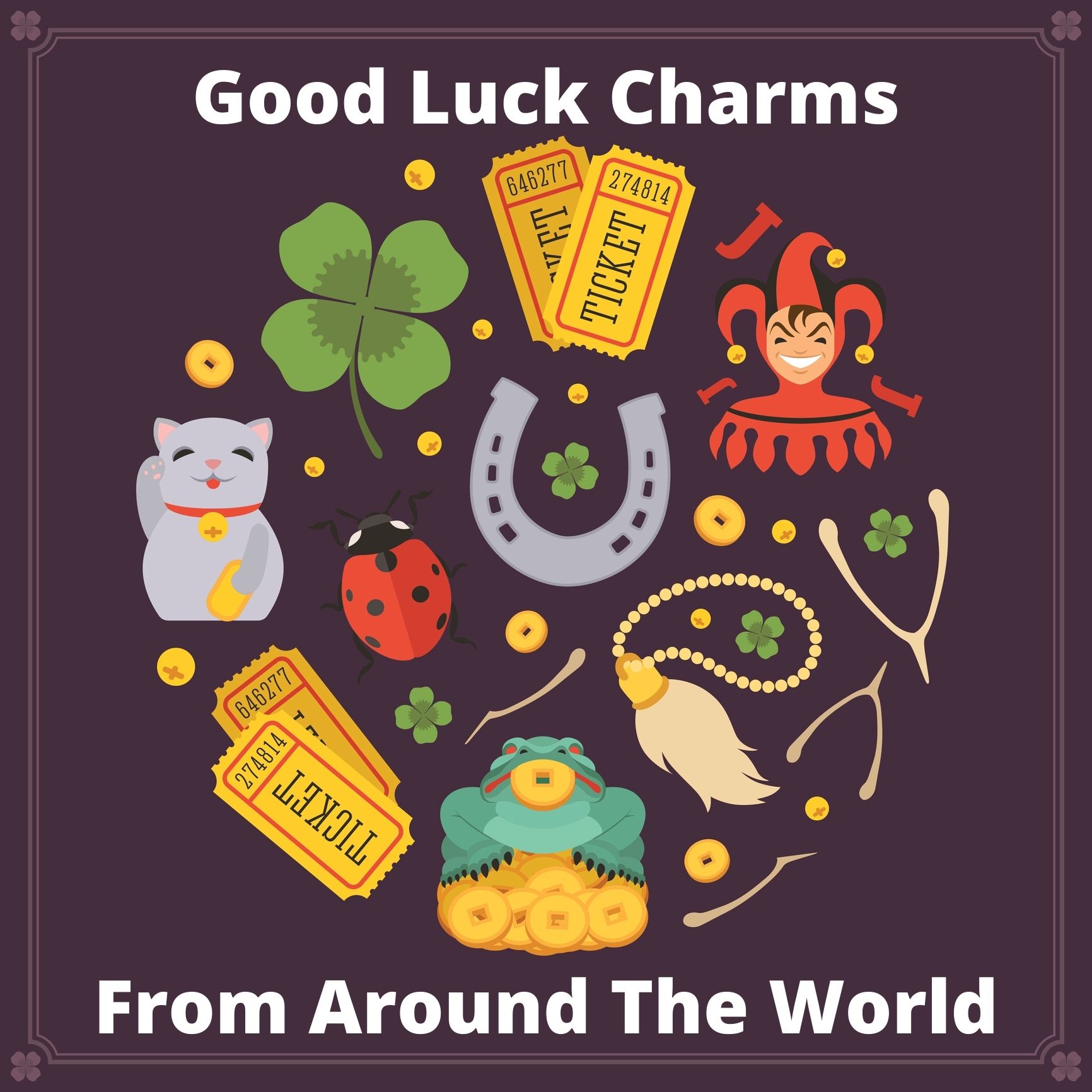
Every culture on earth has its own version of luck — rituals, objects, and symbols passed down through generations to attract fortune, ward off evil, and keep travelers safe on the road. What’s fascinating is that behind almost every good luck charm is a destination worth visiting, a tradition worth witnessing, and a story worth chasing.
Here is our guide to the most beloved good luck charms from around the world — and the destinations that bring them to life.
Carp Scales — Poland
In Poland and across much of Central Europe, carp is the centerpiece of the Christmas Eve feast known as Wigilia. The scales of the Christmas carp resemble silver coins, and Polish families tuck a scale into their wallet and carry it for the entire year as a symbol of wealth and prosperity. The tradition dates back centuries, and the carp itself is often kept alive in the family bathtub for a day before the meal — a quirky ritual that children never forget.
Experience it yourself: A river cruise through Central Europe in December puts you right in the heart of this tradition. Imagine exploring Kraków’s spectacular Christmas market — one of Europe’s oldest and most beautiful — sampling mulled wine and smoked meats while snow dusts the medieval square. European Christmas Market river cruises along the Danube and Rhine stop in cities like Vienna, Budapest, Prague, and Kraków, where these holiday traditions are still celebrated with full devotion. Explore European river cruise options →
Dala Horse — Sweden
The hand-carved wooden Dala Horse is one of Sweden’s most recognized national symbols. Originating in the Dalarna region, these brightly painted horses were originally carved by poor families as gifts and a source of income during the long winter months. After the 1939 World Exhibition in New York brought them international attention, the Dala Horse became Sweden’s unofficial ambassador to the world. Today it is given as a gift for weddings, graduations, and new homes, representing strength, wisdom, faithfulness, and dignity.
Experience it yourself: The Dalarna region of Sweden — with its red cottages, folk art traditions, and forested lakeshores — is one of Scandinavia’s most authentic destinations. A Scandinavian escorted tour typically includes Stockholm and the Swedish countryside, where you can visit workshops that still carve and paint Dala Horses by hand. Browse Scandinavia escorted tours →
Dolphins — Rome & Italy
In ancient Rome, sailors believed that dolphins appearing alongside their ships meant land was near and the voyage would end safely. Wearing a dolphin pendant was thought to provide protection and keep you on course toward your goals. Also popular throughout Italy is the Cornette — a small horn-shaped red charm you’ll spot dangling from rearview mirrors, hanging at the entrance of restaurants, and tucked into wallets everywhere. The Cornette is said to bring luck, success, and prosperity, and to ward off the evil eye. (For a deeper dive into this powerful protective symbol, see our guide to the meaning and history of the evil eye.)
Experience it yourself: A Mediterranean cruise is the perfect way to collect your own Cornette charm right where the tradition lives. Ports like Naples, Rome’s Civitavecchia, and the Amalfi Coast are full of artisan stalls selling handcrafted red horn charms. You can pick one up alongside a plate of fresh pasta with a view of the Tyrrhenian Sea. See Mediterranean cruise itineraries →
Red Bats — China
In Chinese culture, red bats are powerful symbols of good fortune — part of the same rich tradition of lucky symbolism that defines Chinese New Year traditions and superstitions. The connection comes from language: the word for bat in Mandarin is biānfú, and the word fú is a homonym for fortune and happiness. Emperors had red bats embroidered on their imperial robes, and in Feng Shui, five bats together (wǔfú) symbolize the five blessings: longevity, wealth, health, love of virtue, and a peaceful death. Red bat imagery appears on ceramics, lacquerware, furniture, and textiles throughout China’s history.
Experience it yourself: No destination brings Chinese symbolism to life quite like Beijing. Walking through the Forbidden City, you’ll see red bat motifs woven into the architecture and decoration everywhere. A China escorted tour takes you from the Great Wall to the Terra Cotta Warriors, with expert guides who explain the cultural meaning behind what you’re seeing. Explore China tour options →
White Elephants — Thailand & Southeast Asia
In Thailand and across much of Southeast Asia, the white elephant is the most sacred of all animals — a symbol of royal power, prosperity, and spiritual purity. According to Buddhist belief, a white elephant appeared to Queen Maya in a dream the night before she conceived the Buddha. Albino elephants are so revered in Thailand that they historically belonged exclusively to the king. Elephant figurines with their trunks raised are said to attract wealth and wisdom when placed facing the entrance of a home or business.
Experience it yourself: Thailand is one of the most popular destinations for escorted tours and cruise stops in Southeast Asia. You can visit ethical elephant sanctuaries near Chiang Mai where rescued elephants roam freely, or encounter elephant imagery woven into every temple, market, and street corner throughout Bangkok and beyond. Browse Southeast Asia tours →
Figa Charm — Brazil
The Brazilian Figa is a charm shaped like a clenched fist with the thumb pressed between the index and middle fingers — a gesture that dates back to ancient Rome as a symbol of fertility and protection. In Brazil, the Figa repels bad energy and is believed to bring good fortune to the recipient. Critically, you should never buy one for yourself — it must be received as a gift to carry its full luck. Figas come in every size imaginable, from tiny gold pendants to enormous carved wooden sculptures displayed in homes and hotels.
Experience it yourself: A South America cruise or tour brings you to Brazil’s extraordinary diversity — from the Amazon rainforest to the beaches of Rio de Janeiro and the colonial streets of Salvador. Market stalls throughout Brazil are full of Figa charms in wood, silver, and gold, and a handmade one purchased as a gift for someone you love carries the tradition forward exactly as it was intended. Explore South America tour packages →
Dreamcatcher — Native American Culture
Many Native American nations — particularly the Ojibwe people of the Great Lakes — believe that the night air is filled with both good and bad dreams. The dreamcatcher, a willow hoop woven with a web of sinew and decorated with feathers and beads, is hung above the bed where it filters what passes through. Good dreams know how to slip through the web’s center hole and slide gently down the feathers to the sleeping person. Bad dreams become tangled in the web and dissolve with the first light of morning. The tradition has spread far beyond its origins, but its spiritual meaning remains deeply rooted in Indigenous culture.
Experience it yourself: The American Southwest and Great Lakes regions offer some of the most authentic opportunities to learn about Native American culture firsthand. Escorted tours through the Southwest visit sacred sites like Monument Valley and Canyon de Chelly, and cultural centers where Indigenous artists and storytellers share traditions that have survived for thousands of years. See USA escorted tour options →
Maneki-Neko (Lucky Cat) — Japan
The Maneki-Neko, or beckoning cat, is one of the most widely recognized lucky charms in the world. Found at the entrance of shops, restaurants, and homes across Japan, its raised paw is perpetually beckoning good fortune inside. The left paw raised invites customers and good business; the right paw raised calls in wealth and luck for the owner; both paws up welcomes everything. Color carries meaning too — white for happiness, black to ward off evil, red for luck in love, and the traditional calico pattern (considered the luckiest of all) for general good fortune. Wind chimes, another beloved Japanese charm, are thought to attract prosperity on the summer breeze.
Experience it yourself: Japan is a destination that rewards slow exploration. From the neon-lit streets of Tokyo’s Asakusa district — packed with lucky cat shops and traditional charms — to the ancient temples of Kyoto, Japan is one of the most enchanting destinations on earth. A Japan escorted tour or an Asian cruise with a Tokyo port call puts you right in the middle of this culture. Explore Japan tour itineraries →
Tumi — Peru
The Tumi is Peru’s national symbol — a ceremonial knife with a distinctive semicircular blade, originally crafted from gold, silver, bronze, or copper during the Inca Empire. In ancient times it was used by high priests during rituals at the Inti Raymi festival, the Festival of the Sun. Today, a replica Tumi hung on the wall of a Peruvian home is believed to bring good luck and protection to everyone who lives there. You’ll find Tumi replicas in every market in Peru, ranging from tiny silver pendants to large decorative pieces, each one a tangible connection to one of history’s great civilizations.
Experience it yourself: Peru is one of the world’s great bucket-list destinations. A South America tour with a Peru extension takes you from Cusco — the ancient Inca capital — to the breathtaking ruins of Machu Picchu, with opportunities to visit local markets where artisans still craft Tumi replicas using centuries-old techniques. The Inti Raymi festival itself, held every June 24th in Cusco, is one of the most spectacular cultural events in the Americas. Browse Peru and Machu Picchu tours →
Four-Leaf Clover — Ireland
The four-leaf clover is one of the oldest and most universally recognized lucky charms in the Western world, rooted in ancient Celtic and Irish tradition. Each of the four leaves carries its own meaning: faith, hope, love, and luck. True four-leaf clovers are genuinely rare — only about one in ten thousand clovers has four leaves — which is precisely why finding one is considered such a powerful stroke of fortune. St. Patrick himself used the common three-leaf shamrock to explain the Holy Trinity, cementing Ireland’s eternal connection to the clover. If you’re fascinated by Irish superstitions, explore our full guide to St. Patrick’s Day traditions and superstitions.
Experience it yourself: Ireland is a destination of remarkable beauty — rolling green countryside, dramatic coastal cliffs, medieval castles, and some of the warmest pub culture in Europe. An escorted Ireland tour takes you through the Ring of Kerry, the Cliffs of Moher, the Blarney Castle (where kissing the Blarney Stone is said to bring the gift of eloquent speech), and the vibrant streets of Dublin. You might even find a four-leaf clover in the fields of County Clare. See Ireland escorted tour options →
Lucky Bamboo — China
Lucky bamboo (Dracaena sanderiana) has been used in Chinese Feng Shui practice for thousands of years, believed to bring good fortune, prosperity, and positive energy into a home or business. The number of stalks in an arrangement carries specific meaning: two stalks for love, three for happiness and wealth, five for health, seven for good health, and eight for luck and prosperity. Twenty-one stalks in a bunch represent powerful blessings in all areas of life.
Experience it yourself: The art of Feng Shui — literally “wind and water” — is woven into the architecture and design of cities across China, Hong Kong, and Singapore. A visit to Hong Kong’s temples, where monks still perform traditional blessing ceremonies, or a walk through Singapore’s Chinatown, where lucky bamboo and other charms are sold in every shop, is an experience that makes these ancient beliefs feel immediate and alive. Explore Asia cruise itineraries →
Evil Eye — Turkey, Greece & the Middle East
The evil eye (nazar in Turkish, mati in Greek) is one of the most ancient protective symbols known to humanity, found across Turkey, Greece, the Middle East, and Latin America. A blue glass eye-shaped bead, it is believed to reflect back harmful stares and jealous glances — protecting the wearer from bad luck, illness, and misfortune sent intentionally or unintentionally by others. You’ll find evil eye charms woven into jewelry, hanging in windows, threaded onto bracelets, and painted on the bows of Greek fishing boats.
Experience it yourself: Istanbul’s Grand Bazaar is the ultimate destination for evil eye shopping — thousands of stalls selling hand-blown glass nazar beads in every size, color, and design. A Turkey tour or a Mediterranean cruise with an Istanbul port call gives you the chance to bring home a truly authentic piece of one of the world’s oldest living traditions. The nearby Greek islands — Santorini, Mykonos, Rhodes — are equally filled with evil eye markets and artisan shops. Explore Turkey tours →
Horseshoe — Europe & North America
The horseshoe is one of the most enduring lucky charms in Western culture, believed to ward off evil and attract good fortune. Made of iron — a metal historically believed to repel witches and evil spirits — horseshoes hung above a doorway with the ends pointing up are said to “catch” luck and hold it in the home. The superstition is common across Britain, Ireland, and the United States, with roots in the legend of St. Dunstan, a blacksmith who allegedly nailed a horseshoe to the devil’s hoof, only releasing him after he promised never to enter a home that displayed one.
Experience it yourself: Britain and Ireland are rich in horseshoe lore, and a British Isles escorted tour or cruise takes you through the very landscape where these traditions were born. From the cobblestone streets of Edinburgh and the rolling hills of the English countryside to the horse racing culture of County Kildare in Ireland, you’re surrounded by the living heritage of this most universal of lucky charms. Browse British Isles tour packages →
Bring a Piece of the World Home
What’s remarkable about good luck charms is not just the objects themselves but the cultures and stories that give them meaning. If you want to go further, we’ve also identified the luckiest places in the world to visit — destinations where centuries of fortune-seeking have left their mark on the landscape itself. A carp scale in your wallet connects you to a Polish Christmas table. A lucky fruit placed on your New Year’s altar connects you to traditions across Asia — see our guide to lucky fruits for the New Year. An evil eye bracelet on your wrist carries thousands of years of Mediterranean wisdom. A Tumi on your wall is a silent tribute to the greatest mountain civilization in history.
The best way to collect these charms is to travel to the places where they were born — to buy a Figa in a Brazilian market, find a Dala Horse in a Swedish workshop, or watch a Japanese craftsman paint a Maneki-Neko by hand. At Atlas Travel, we’ve been planning these kinds of meaningful journeys for over 36 years.
Ready to travel to the source? Contact one of our travel advisors to start planning a trip built around the destinations and experiences that matter most to you.
More Superstitions, Traditions & Holiday Good Luck from The Traveler’s Atlas:
- Chinese New Year Traditions and Superstitions: A Traveler’s Guide
- New Year’s Traditions for Good Luck from Around the World
- New Year’s Superstitions from Around the World
- Friday the 13th Superstition: Interesting Facts and Myths
- April Fools’ Day Superstitions, Origins & Traditions
- St. Patrick’s Day Superstitions, Traditions & How to Celebrate
More Special Interest Travel Guides from Our Advisors:
- How To Get In Stock Alerts for Hard to Find Items During Coronavirus
- Flower Festivals in the US and Canada
- Stomach Ache Cures From Around The World
- What One Dollar Will Buy You Around The World
- Countries With No Airports
- Best Spring Break Destinations: Beach Getaways, Adventures & Family Trips
- Travel Inspired Pet Names
- Tips for Traveling With Your Dog
More Superstitions and Travel Traditions:
- Travel Tips For Those That Are Retired
- Best Perks For Delayed Flights
- New Times Square Gulliver’s Gate Attraction
- Eat Local On A Cruise
- Cruises Where You Can See Celebrities
- Sky Pools Around the World
- Elvis Week: August 8-16 in Memphis, Tennessee
More Holiday Traditions:
More Special Interest Travel Guides:
- The Worst Passports In The World & What Makes Them so Complicated for Travelers
- The Best Ways To Budget For Travel During Your Retirement
- The Cherry Blossom Forecast
- Unusual Hobbies from Around the World
- Unique Liquors To Taste While Traveling
- Game of Thrones Walking Tour Of Dubrovnik
- 5 U.S. Golf Courses with Amazing Views
More Special Interests and Unique Travel:
- National Linguine Day
- Ancient Roman Amphitheatres to Visit Throughout Europe
- Outlet Shopping Vacations
- Scariest Haunted Houses in America
- Festivals Around The World In August
- 5 Great Summer Beach Festivals
- Zip Lining Around the World
- 10 Colorful Cities Around The World
Organizing a Music or Entertainment Group Cruise?
DJs, promoters, radio personalities, and event brands trust Atlas Travel Center to run their group cruise experience. You sell the cabins and build the brand — we handle the ship contract, payment plans, and onboard logistics. Earn a free comp berth for every 16 guests, plus build your own markup into the price. Explore our Music & Entertainment Group Cruise program and see how we make your event profitable.
Planning a Black Group Travel Experience, HBCU Trip, or Greek Cruise?
Atlas Travel Center has deep expertise in Black group travel — from HBCU alumni cruises and Greek organization trips to affinity group experiences and cultural travel. We build fully branded group experiences where your organization leads and we run the back office. Comp berths, payment plans, and trust architecture that your members can count on. Learn about our Black Group Travel & Affinity Group program — contact us to get started.
Frequently asked questions
Common ones include the horseshoe and four-leaf clover in the West, the maneki-neko (beckoning cat) in Japan, the nazar or evil-eye bead in Turkey and Greece, the elephant with a raised trunk in India, the hamsa hand across the Middle East and North Africa, and the laughing Buddha in China.
No single symbol is universal. The four-leaf clover and horseshoe are the most recognized luck symbols in Western culture, while the evil-eye bead and hamsa are hugely popular across the Mediterranean and Middle East. The luckiest charm is really the one meaningful to your own culture or travels.
Yes, luck charms make popular, meaningful souvenirs, and many travelers seek out the authentic local version, such as a nazar from Turkey, a maneki-neko from Japan, or a hamsa from Morocco, as a small, portable memento with cultural significance.