

Much like Christmas trees are synonymous with the holidays, flowers play a huge role in the celebration of the Chinese New Year. In China, they believe that certain flowers and plants are lucky & auspicious. Specifically, the blossoms are believed to bring fortune.
New Years Lucky Flowers
Lucky Flower: Lotus
Symbolism: Purity
Lotus is one of the most important flowers in Chinese culture. Buddhists all over the world recognize the Lotus as signifying the holy seat of the Buddha. In Chinese culture, the Lotus symbolizes the ultimate purity of the heart and mind, because it rises untainted and beautiful from the mud
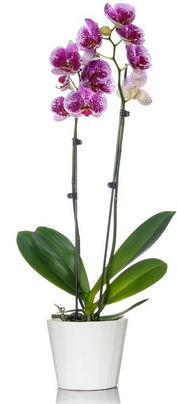
Lucky Flower: Orchids
Symbolism: Fertility & Abundance
The delicate, exotic, and graceful orchid represent love, luxury, beauty, and strength. In China, they have long been considered to be symbolic of many children or fertility and abundance. Pink orchids can bring harmonious relationships, while white orchids fill the household with peace. Violet is said the most auspicious.
Lucky Flower: Peach Blossoms
Symbolism: Prosperity, Growth & Infinity
This plant is considered sacred in China. Peach is one of Cheou-Sing’s attributes, the god of durability. The flowers are placed in valuable vases. The peach fruit represents longevity. The peach blossom symbolizes romance, prosperity, and growth. In Japan, the flower of peach is linked to marriage and is a sign of both virginity and loyalty. In ancient Egypt, the peach tree was consecrated to Harpocrates, the god of silence.
Lucky Flower: Plum Blossoms
Symbolism: Endurance, Courage & Hope
The bright pink flower symbolizes perseverance and reliability. It is one of the most symbolic flowers for the Chinese. Unfazed by cold, they are associated with good health, strong endurance, and overcoming the adversity of winter. The plum, along with orchid, bamboo and chrysanthemum constitute “the four nobles”.

Lucky Flower: Peony
Symbolism: Wealth, Nobility & Honor
The peony is the national flower of China. This is a beautiful flower associated with feminine beauty, innocence, affection, and good fortune. It is known as the flower of riches and honor. During the Sui and Tang dynasties, they were planted at the Imperial Palace. Because of this, peony symbolism also includes nobility, honor, and wealth. Red peonies are particularly auspicious for the Chinese New Year.
Lucky Flower: Pussy Willows
Symbolism: Growth & Prosperity
They are seen as a symbol of growth, especially as the green shoots emerge from the silky buds. They are also associated with wealth because in Chinese, they are known as silver willow, which sounds like silver coins.
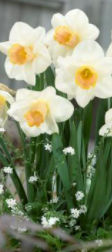
Lucky Flower: Narcissus or Water Fairy Flowers
Symbolism: Good Fortune, Prosperity & Creativity
Its Chinese name, shuixian hua, can be literally translated as “water immortal.” They are known as sacred lilies and are one of the most auspicious flowers. This flower is the symbol of good fortune and prosperity with a unique delicate appearance. Narcissus flower symbolizes inspiration and clarity as well. They can grow in a shallow dish of water and pebbles. They look and smell lovely.
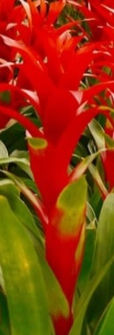
Lucky Flower: Guzmanie Lingulata / Pineapple Flowers
Symbolism: Good Fortune
These flowering plants are also known as “pineapple flowers”. Pineapple is an auspicious fruit, as it is called ong lai in Hokkien, meaning “good fortune arriving”. These plants are also relatively easy to maintain.
Lucky Flower: Chrysanthemums
Symbolism: Prosperity & Longevity
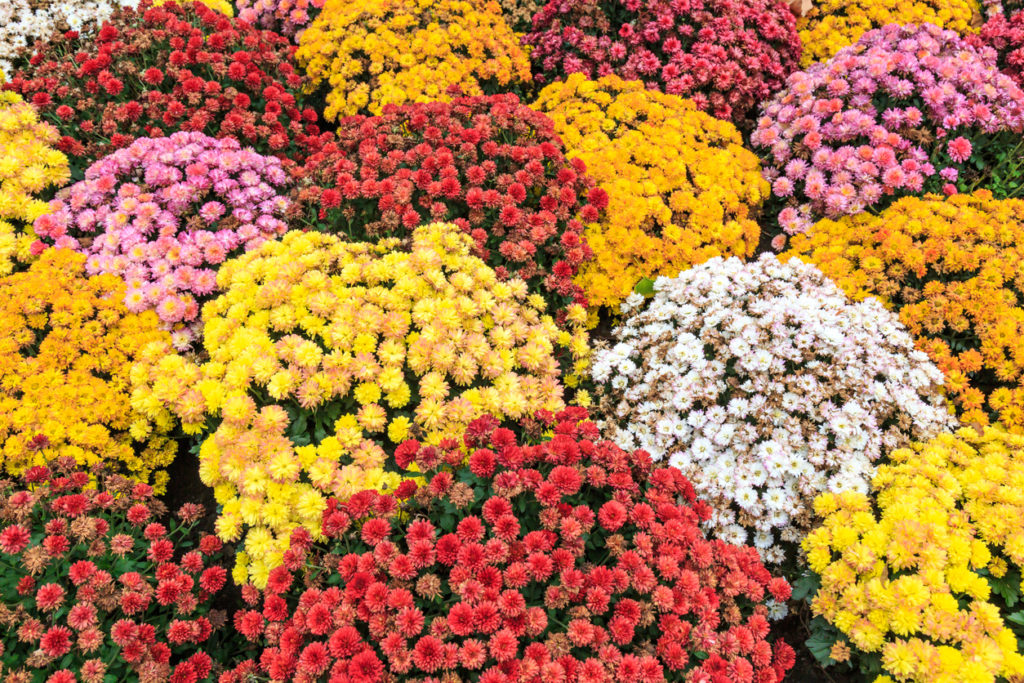
They represent wealth, prosperity, and longevity. If you are looking to improve your wealth luck and finance in the coming year, you can consider getting golden or purple chrysanthemums for your home.
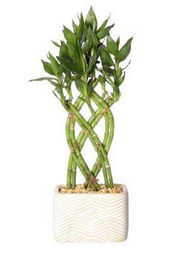
- Lucky Bamboo is not actually a plant, but a type of tropical water lily called Dracaena Sanderiana. The lucky bamboo plant is one of the most popular Feng Shui cures said to bring good luck and prosperity to the place where it is grown. It is also known to enhance the flow of positive energy in the home and office when placed in the right direction.
The type of luck you get from the bamboo plant is believed to be in direct correlation with how many stalks there are. - Two stalks = love & double your luck.
- Three stalks = wealth, happiness, and long life.
- Five stalks = growth & prosperity in business. Bring calmness to home or office.
- Six stalks = lucky in your symbolize luck that is said to bring prosperity.
- Seven stalks = wealth, happiness, and good health.
- Eight stalks = act as a great motivator and luck enhancer.
- Nine stalks = good fortune.
- Ten stalks = completion.
- Twenty-one stalks = abundance and blessings.
Other posts that may interest you: New Years Lucky Foods, New Years Lucky Colors, New Years Lucky Fruits, New Years Lucky Scents, Chinese New Years Lucky Foods and New Years Traditions & Superstitions.
New Year’s lucky flowers carry deep cultural meaning across traditions. Explore more New Year beliefs and travel connections in our New Year’s Superstitions from Around the World guide.