
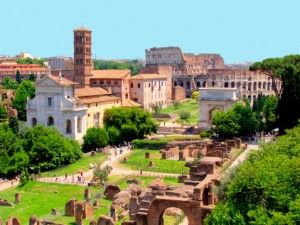
If you’ve ever scrolled through Instagram and stopped dead in your tracks at a photo of the Amalfi Coast, the cobblestones of Prague, or the golden light filtering through Venetian canals — you already know what we’re talking about. Europe is a photographer’s paradise. From breathtaking architecture to timeless landscapes, every corner of the continent is a composition waiting to happen.
Whether you’re a seasoned pro with a full camera kit or a smartphone traveler who just has a good eye, these destinations will give you the shots of a lifetime — and the memories to match. And if you want to do it right, a guided photography tour through Europe takes the guesswork out of the golden hour and puts you in exactly the right place at exactly the right time.
Why Europe is the Ultimate Photography Destination
Few places on Earth compress this much visual diversity into such a relatively compact area. In a single week, you could capture the canal reflections of Amsterdam, the dramatic cliffs of the Cinque Terre, and the lavender fields of Provence. The architectural range alone — from Roman ruins to Gothic cathedrals to Art Nouveau masterpieces — gives photographers an almost infinite variety of subjects. Add in the changing seasons, the vibrant local culture, and the quality of European light, and you have a destination that rewards the camera in a way few others can.
Best European Cities for Photography
Prague, Czech Republic
Prague is consistently ranked among the most photogenic cities in the world — and for good reason. The Old Town Square, with its astronomical clock and Gothic towers, is stunning at any hour, but the magic happens at dawn when the crowds haven’t arrived yet and the early morning mist drifts between the spires. Cross the Charles Bridge just before sunrise for a shot that feels almost medieval. The city’s terracotta rooftops, viewed from Letná Park, offer a panoramic that belongs on every photographer’s wall.
Venice, Italy
Venice is endlessly photogenic but rewards patience. The popular spots — the Bridge of Sighs, the Rialto, St. Mark’s Square — are most compelling at the edges of the day. Try Venice in November or February, when the tourist crowds thin and the acqua alta (high water) floods the piazzas in a way that creates extraordinary reflections. The quieter neighborhoods of Cannaregio and Dorsoduro offer authentic Venetian street life far from the selfie sticks.
Santorini, Greece
The iconic blue domes of Oia are the most photographed image in Greece for a reason — but getting a clean shot requires strategy. Visit in the shoulder season (April–May or September–October), arrive before 8am, and position yourself on the winding staircases above the caldera. The light in Santorini has a particular clarity that makes every color — the white walls, the deep blue domes, the turquoise water — pop with almost impossible intensity.
The Scottish Highlands
For landscape photographers, the Scottish Highlands are a dream. Glencoe, Loch Ness, the Quiraing on the Isle of Skye — these are places where moody skies, ancient mountains, and reflective lochs combine into images that look almost unreal. Scotland’s light is dramatic and ever-changing; a morning that starts with drizzle can give way to golden rays breaking through the clouds in ways that make landscape photographers weep. Autumn, when the bracken turns rust and amber, is particularly spectacular.
Tuscany, Italy
Rolling hills lined with cypress trees, medieval hilltop towns, sprawling vineyards — Tuscany is the landscape painting you can walk into. The Val d’Orcia, a UNESCO World Heritage Site, offers the kind of pastoral beauty that has inspired painters and photographers for centuries. Late April through May brings wildflowers; September and October offer warm golden light and harvest scenes. The towns of Pienza, Montepulciano, and San Quirico d’Orcia are all within easy reach of each other and each one is its own portfolio.
Tips for Photographing Europe Like a Pro
Shoot at golden hour. The hour after sunrise and the hour before sunset cast warm, directional light that transforms even ordinary scenes. Most professional travel photographers plan their entire itinerary around these windows.
Go vertical — on your phone. If you’re shooting for Instagram, vertical content is king. But for architectural shots, experiment with extreme vertical compositions to emphasize height and grandeur.
Look for reflections. Puddles, canals, shop windows — European cities are full of surfaces that create stunning doubles of their surroundings. After rain is one of the best times to shoot urban streets for exactly this reason.
Be respectful. Many European churches and museums have restrictions on flash photography or photography altogether. Always check before raising your camera — and remember that local people are not props. Ask permission before photographing individuals.
Pack light, shoot smart. You don’t need a camera bag the size of a hiking pack to get great shots. A mirrorless camera body with two or three versatile lenses — a wide-angle, a mid-range zoom, and a portrait prime — covers almost every situation you’ll encounter in a European city or landscape.
Photography Tours of Europe: The Smartest Way to See It All
Here’s the secret that experienced travel photographers know: the logistics of finding the best light, the best vantage points, and the least-crowded access to Europe’s iconic locations are half the battle. Guided photography tours solve all of that for you.
Tour operators like Insight Vacations offer small-group journeys that specifically cater to travelers who want to combine serious sightseeing with serious photography. You’re guided to the right location at the right time, your accommodations are chosen for their views, and your fellow travelers share your passion. You also avoid the exhausting work of planning every day from scratch in an unfamiliar country.
At Atlas Travel, our agents specialize in designing European itineraries that put you in the right place at the right time — whether that’s a private guided tour of Rome timed to the blue hour, a small-group Tuscany photography retreat, or a custom journey through multiple countries. Explore our escorted European tours and let us build an itinerary around the images you want to come home with.
When to Go for the Best Photography
Every season in Europe has its photographic merits. Spring (March–May) brings wildflowers, cherry blossoms, and soft light with manageable crowds. Summer is peak season everywhere — the light lasts late into the evening (especially in Scandinavia) but popular locations will be crowded. Autumn (September–November) is arguably the best time for photography overall: foliage color, harvest festivals, warm light, and smaller crowds combine beautifully. Winter offers Christmas markets, snow-dusted cathedrals, and the haunting beauty of off-season Venice or Bruges.
Ready to Book Your Photography Trip to Europe?
Europe rewards the traveler who comes prepared — with the right gear, the right itinerary, and a genuine curiosity about what lies around the next corner. Whether you want to photograph the lavender fields of Provence, the fjords of Norway, or the fairy-tale streets of Bruges, the continent offers an almost overwhelming abundance of subjects.
Our travel advisors at Atlas have been to these places. We’ve stood in the spots where the light is magic and we know which tours put you there at exactly the right moment. Contact us today to start planning the photography trip of a lifetime through Europe.