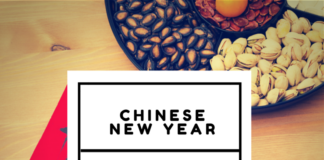

New Years Traditions: Exploring New Years traditions for good luck can add a special touch to your celebrations.
What do you plan on doing this year on New Year’s Eve and New Year’s Day? Many believe the things you do, and even the things you eat, can influence your luck in the New Year. You can read about them New Year’s Good Luck Traditions Around the World.
New Years Around the World: The Ultimate Guide When It Starts. Even if you’re planning on spending a quiet evening at home, you’ll probably watch the ball drop live on TV or step outside to see a local fireworks show. For many people, New Year’s Day is often spent taking down Christmas decorations, visiting with family, or even cooking certain foods meant to bring luck in the New Year. However, if you travel to another area of the globe for New Year’s, you may find yourself watching or partaking in some very different traditions.
Here are some fun and interesting New Year’s Traditions that many believe will get the New Year off to a good start!
New Year’s Tradition…the champagne toast.
 Toasting the new year with a glass of champagne is a common practice on New Year’s Eve in several countries around the world. This includes the U.S., France, Germany, Belgium, Slovakia, and the Czech Republic. Some people put gold jewelry, such as a ring, into the champagne glass and drink up for wealth in the New Year. Be careful not to choke on your ring! In some places, they hop 3 times without spilling any champagne and then pour it over their shoulder. This is to let go of the past year and begin the new one.
New Year’s Tradition…A kiss at midnight
New Year’s Traditions …A midnight kiss…the New Year’s Eve kiss is a symbol that your affection and closeness will last all year.
New Year’s Tradition…What Color Underwear to Wear into the New Year
New Year’s Underwear Tradition: In Brazil, as well as other South and Central American countries, many feel that the color of underwear you wear can affect your luck in the new year. Wearing yellow underwear attracts positive energy and a year of prosperity for the new year, while red or pink underwear will bring a year of romance and passion. Blue underwear is said to bring a year of harmony & health; Green, a year of better luck than the previous year; White for a year of peace, joy, and happiness; Orange for professional success & Purple underwear for inspiration. In Italy, they believe red underwear will bring you luck as well as make you fertile. (In Italy, they throw away the underwear on January 2nd.)
If you happen to have polka dots or circles on your underwear, even better, as the round shape symbolizes coins/money. Oh yes, one more important fact that should go without saying – they need to be clean underwear. For extra luck, make it a new pair of underwear. Many people also set New Year’s resolutions. They align their goals with the symbolic meanings of the colors they choose to wear. This is so popular, we had to give it its own blog post. You can read it here: The Lucky Underwear Color Guide: What to Wear on New Year’s Eve.

New Year’s Lucky Colors. Much like underwear, certain colors of candles or the outfit you wear on New Year’s are supposed to symbolize good luck. Yellow will help with financial troubles. Green will bring good health. Orange is for wisdom, purple is for professional success, red is for love, and blue candles are for peace. In Brazil, they believe dressing in white will attract good luck and bring peace in the new year. The white outfit must be new. Additionally, wearing polka dots on New Year’s Eve in the Philippines symbolizes good fortune.
New Year’s Lucky Food Traditions
So many New Year’s traditions and superstitions involve food – eating 12 grapes, black eye peas, pork, collard greens – there are so many New Year’s Lucky foods, we gave it its own blog post! Here are a few of the lucky foods and traditions from around the world. You may also want to read our lucky food menu ideas, from appetizers to desserts.
- Many people smash a pomegranate right after midnight in Greece outside their front door. Why make this mess? Well, they believe that the seeds will bring prosperity and good fortune. They also put a coin in a cake, such as Vasilopita. The cake is cut at midnight, and whoever gets the coin is said to have good luck in the New Year. The Greeks often adorn tables with symbols of happiness and wealth, including nuts, honey, fresh fruit, and olive branches. Dating back to the 6th century BC, some hang a squill (or regular) onion on their front door to ward off bad spirits.
- In Italy, many eat sausage, polenta, and lentils. The New Year toast is usually with Prosecco or Spumante. Grapes, raisins, and dried fruit decorate the table. They often give one another sweet gifts such as figs and dates in honey. Some Italians break plates or glasses in their driveway to get rid of any negative vibes around the home. Not practiced as often anymore, some Italians throw old items out the window to represent letting go of the past. In Italy, lentils are eaten on New Year’s Day for prosperity and wealth.
- In France, friends and loved ones exchange New Year’s resolutions, wishes, and kisses. Foie gras, oysters, escargot and champagne are often served. Heart or log-filled cakes are decorated with symbols that represent winter or good luck charms, such as chocolate coins or bells. King’s cake (similar to the Vassilopita in Greece) with a hidden coin or small ceramic figurine is served with a paper crown on top – the person who gets the filling gets to wear the crown for the day.
- In Ireland, families would place buttered bread outside the door to show that there was no hunger in the house and would ensure food for the year to come. This dates back many years ago when there was a food shortage. Now the tradition has changed to eating bread and butter with the New Year’s meal. They also take a hard loaf of bread and bang the wall at midnight, a move that is thought to get rid of evil spirits.
- In Germany, it is said to bring good luck and health if you touch a chimney sweep or have him rub ashes on your forehead. Marzipan pig, sausages, sauerkraut, jam-filled donuts called Berliner, and Speckdicken (a pancake with sausage or bacon and syrup) are usually on the New Years menu. Eating herring at midnight is considered good luck in Germany and Sweden.
- In Latin countries such as Spain, Costa Rica and Chile, they eat 12 grapes at the stroke of midnight and make a wish for each. In Colombia, 12 shafts of wheat adorn the dining room table to ensure an abundance of food in the coming year. Lentils are served for good luck.
- Special New Year’s bread is baked with a coin placed in it – the person who gets the coin should hold onto it for the entire year for good fortune. The first step after the stroke of midnight is made with the right foot. This is supposed to ensure good energy and make good decisions in the New Year.
- This time of year, many also have Bunuelos, which are similar to donut munchkins, but they are made with a cheese filling. Some also make bunuelos out of black-eyed peas on New Years’ for added luck. Also, in Colombia, on the last night of the year, they place 3 potatoes under the bed. One potato is peeled, one is half-peeled & one is completely peeled. At midnight, they pull out the first potato they touch. Peeled means they’ll have financial problems, unpeeled indicates abundance, and half peeled means financial ups & downs.
- In Denmark, cured pork, boiled cod, and stewed kale are served, as well as Kransekage or wreath cake, a special dessert that consists of rings of cake piled on top of one another, each getting smaller until they form a cone or Christmas tree shape. The cake is made with egg whites, almonds, and sugar. Many people stand on a chair and jump off at midnight – taking a leap of faith for a good new year. In Denmark, it is customary to smash plates on New Year’s Eve to bring good luck.
- In Japan, they literally ring in the New Year by ringing a bell 108 times. This has to do with the Buddhist belief that this will bring cleanliness. The Japanese also try to smile as much as possible on New Year’s Eve, as it’s supposed to bring them good luck. A long, uncut noodle is slurped to ensure long life.
- Eating black-eyed peas and collard greens on New Year’s Day is believed to bring good luck and prosperity.
- 12 Lucky Fruits – in the Philippines, during the New Year, they prepare 12 sweet, round fruits – one to represent each month of the New Year. This is done to attract good luck and prosperity. The lucky fruits are Pineapple, orange, apple, grapes, banana, mango, lemon, watermelon, papaya, lychee, avocado & pomelo. Read more on New Year’s Lucky fruits.
New Year’s Tradition…Cleaning the House Before Midnight
In many cultures, cleaning the house before midnight on New Year’s Eve is more than just a chore—it’s a ritual to sweep away the bad luck and negative energies of the previous year. In Japan, this tradition is known as “osoji” or “o-souji,” where families give their homes a thorough cleaning to purify the space and prepare for a fresh start. This practice is believed to bring good luck and prosperity in the year ahead.
Similarly, in many Latin American countries, the act of cleaning the house before the clock strikes midnight is a symbolic gesture. It helps to start the new year with a clean slate and a positive attitude. By ridding the home of dust and clutter, people believe they can also rid their lives of any lingering bad luck from the previous year. So, if you’re looking to welcome the new year with open arms and a fresh perspective, grab that broom and start sweeping!
New Year’s Tradition…Eating Lucky Foods on New Year’s Eve
Eating lucky foods on New Year’s Eve is a delicious way to ensure good fortune in the year ahead. In the Southern United States, it’s customary to feast on black-eyed peas, collard greens, and cornbread. Each of these foods carries its own symbolism. Black-eyed peas represent coins, collard greens symbolize paper money, and cornbread stands for gold. Together, they create a meal that promises prosperity and good luck.
 Want to travel in the New Year?
New Year’s Tradition…Carry an Empty Suitcase
If you dream of a year filled with travel and adventure, you might want to adopt the fun and quirky tradition of carrying an empty suitcase on New Year’s Eve. Practiced in many Latin American countries, including Colombia and Mexico, this tradition is believed to ensure a year filled with exciting journeys and new experiences.
The idea is simple. At the stroke of midnight, grab an empty suitcase and take a walk around the block. According to legend, this act will bring a year filled with travel opportunities and adventures. It’s a playful and hopeful way to start the new year. Especially for those with a case of wanderlust. So, if you’re looking to add a bit of excitement to your New Year’s Eve celebrations, don’t forget to pack your (empty) bags and get ready for a year of exploration!
New Year’s Superstitions To Travel More
The list goes on and on, with the same hopes of “out with the old and in with the new.” The traditions may be different, but the celebration and excitement of the new year are the same in many places around the world. Every group has special traditions that bring meaning to their new year celebrations. Do you have any special New Years’ Eve traditions and superstitions that you’ll be including in your celebration this year?
We wish you all a healthy, happy, and prosperous New Year!
Other Posts That May Interest you:
New Years Lucky Plants
New Years Lucky Flowers
New Years Lucky Scents